
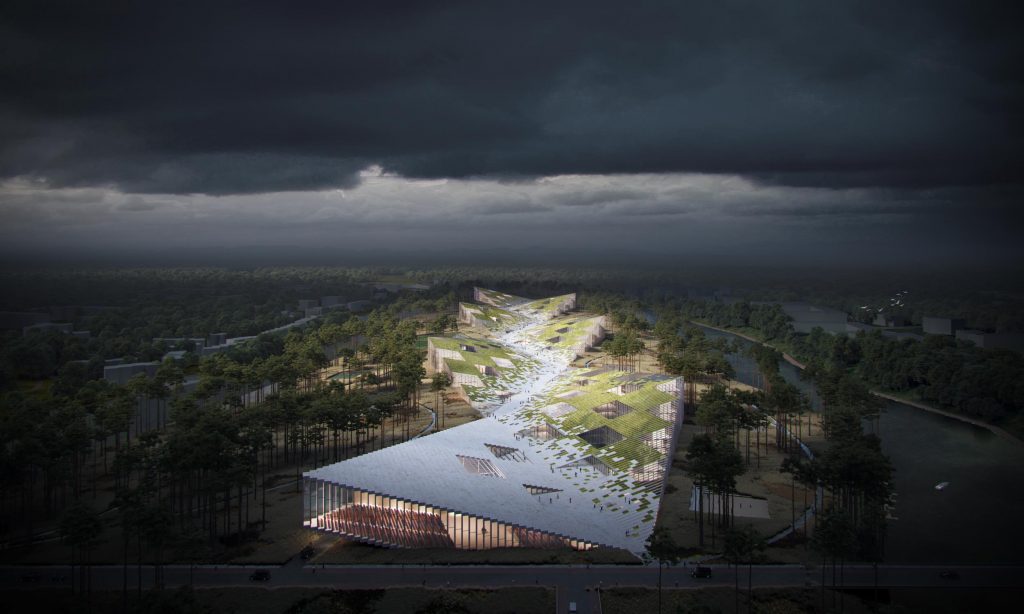
Architects are increasingly incorporating the cost of exterior 3D rendering into their presentation budgets due to the evident advantages it offers. By providing clients with a photorealistic architectural visualization, the project can be viewed as if it were already constructed, thereby enhancing its visual impact and credibility in comparison to hand-drawn sketches. Consequently, the architect can present their vision more effectively, leading to greater approval and enthusiasm from clients.
An architectural visualization company is capable of producing 3D renderings for projects of any complexity and level of detail. While it is commonly believed that the cost of 3D visualization is directly proportional to the amount of work required, the question remains as to what factors contribute to the pricing of the rendering.
Architects can have greater control over the price and the impact of visualization on customers by having a clear understanding of the factors that contribute to the cost. When the need arises to reduce the cost of a visualization project, informed architects can do so by eliminating non-essential features. To provide a roadmap for architects seeking to manage costs, we are sharing the five primary criteria that influence the cost of exterior 3D rendering.
#1. A Good Brief Contributes to A Lower Cost
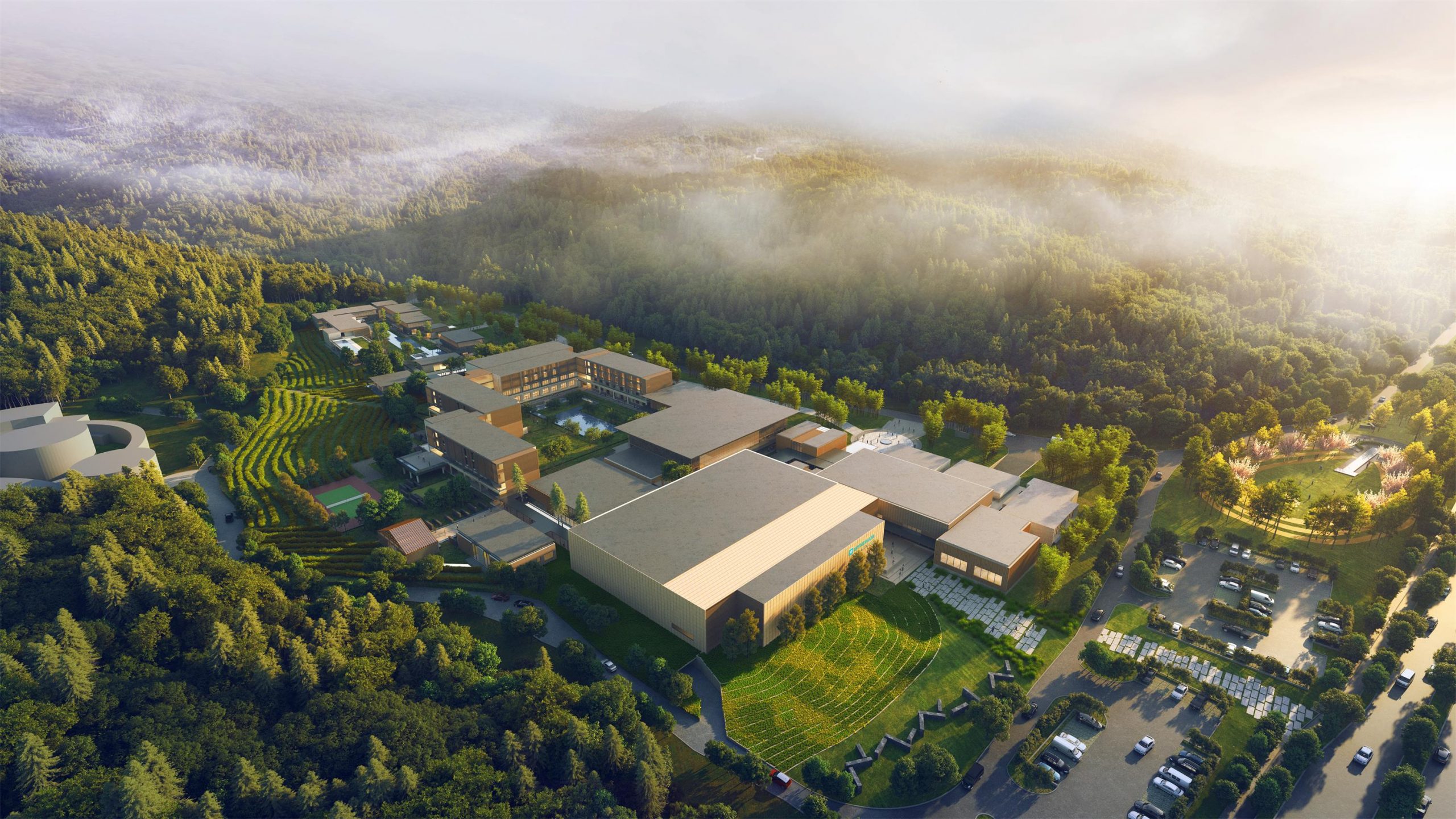
The cost of exterior 3D rendering can be significantly influenced by the project brief. The reason for this is that detailed brief and visual references provide 3D artists with a complete understanding of the architect’s design concept right from the beginning of the project. This enables them to recreate it with the highest possible accuracy in the exterior CGI. Consequently, there will be no need for numerous revisions, which could drive up the cost. Additionally, a comprehensive brief can accelerate the workflow, allowing a CGI visualization team to complete an exterior 3D rendering project up to 30% faster.
#2. Exterior 3D Rendering Cost Depends on Size
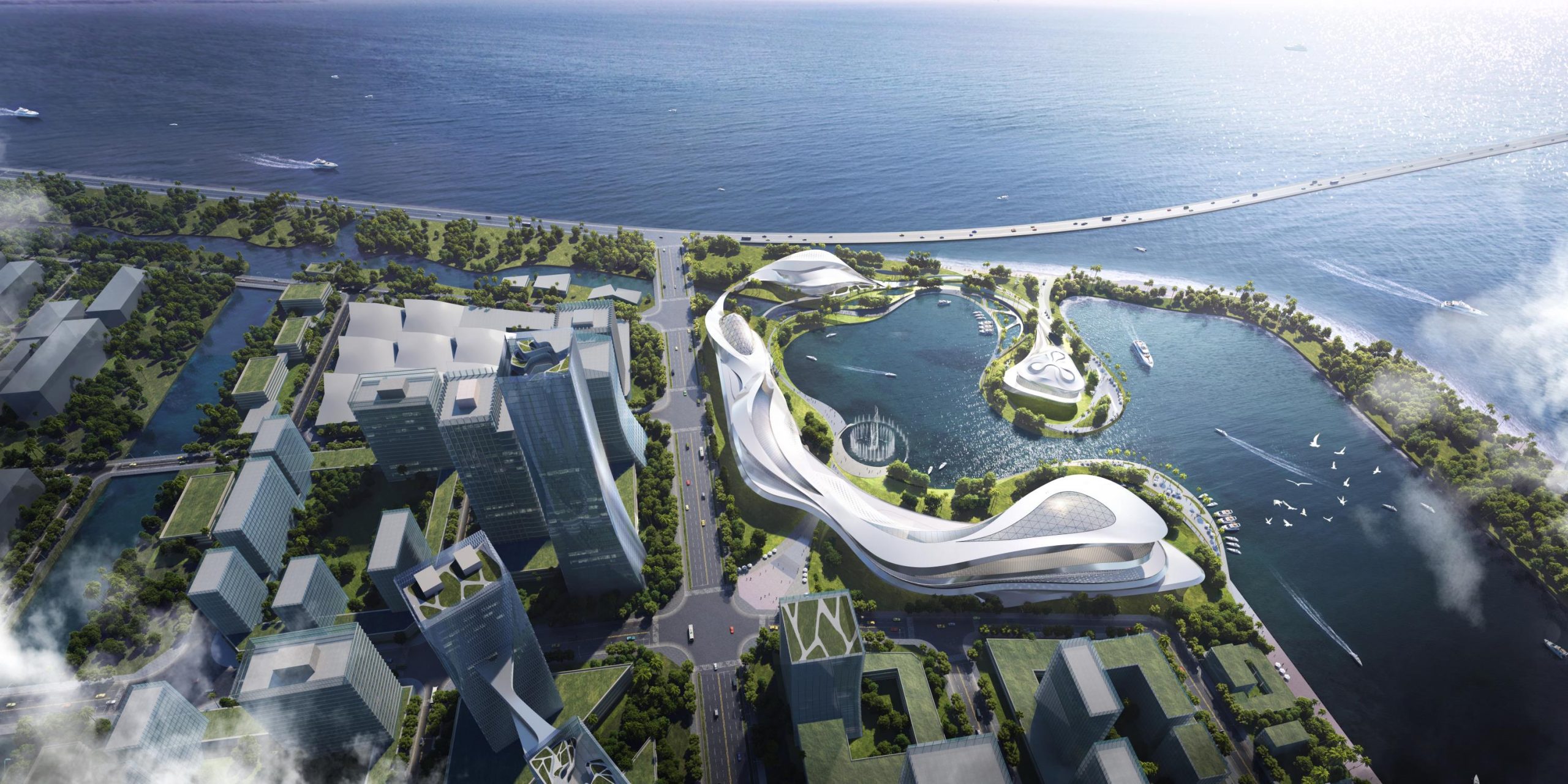
The duration and complexity of modeling a building largely depend on its size and height. A 3D visualization team can complete an exterior visualization project in just a few hours or several days, depending on the project’s scope. Exterior rendering projects can vary significantly in size and type, from a small cottage to a towering skyscraper, from a single hut to a row of townhouses, and from a business center to a power plant. As a result, each project’s unique features must be taken into account when determining the exterior rendering cost.
#3. Environment Affects Exterior Rendering Prices

The complexity of the background and environment is another factor that affects the cost of exterior 3D rendering, in addition to the project size. The amount of work required by 3D artists is directly proportional to the cost. The complexity of the environment can be divided into three main categories.
- When it comes to the environment in an exterior 3D rendering, a photo is the most cost-effective option. It is ideal for showing the impact of a project and can be sourced from various places, such as the internet or aerial drones. The resulting render is of high quality, and it requires less time to produce.
- Low-poly ghost buildings are a type of model commonly used in the realm of 3D visualization. Due to their simplicity and speed of creation, they provide a subtle context that does not detract from the architect’s vision.
- The use of photorealistic environment rendering has the ability to captivate audiences, whether it be a stunning natural landscape or an intricate neighborhood of realistic buildings. This type of high-quality background necessitates additional modeling and texturing efforts, resulting in an increased “wow” factor. It’s no surprise that architects frequently choose to include a lifelike environment in their presentations, as it has the power to engage viewers and provide a significant return on investment.
The environment in exterior 3D rendering affects the cost, but there are different options available for various project goals and budgets. To help architects and designers choose the best 3D solutions within their budget, we have shared some secrets on how to save money while still getting high-quality CGI rendering.
#4. Architectural Style Makes a Difference
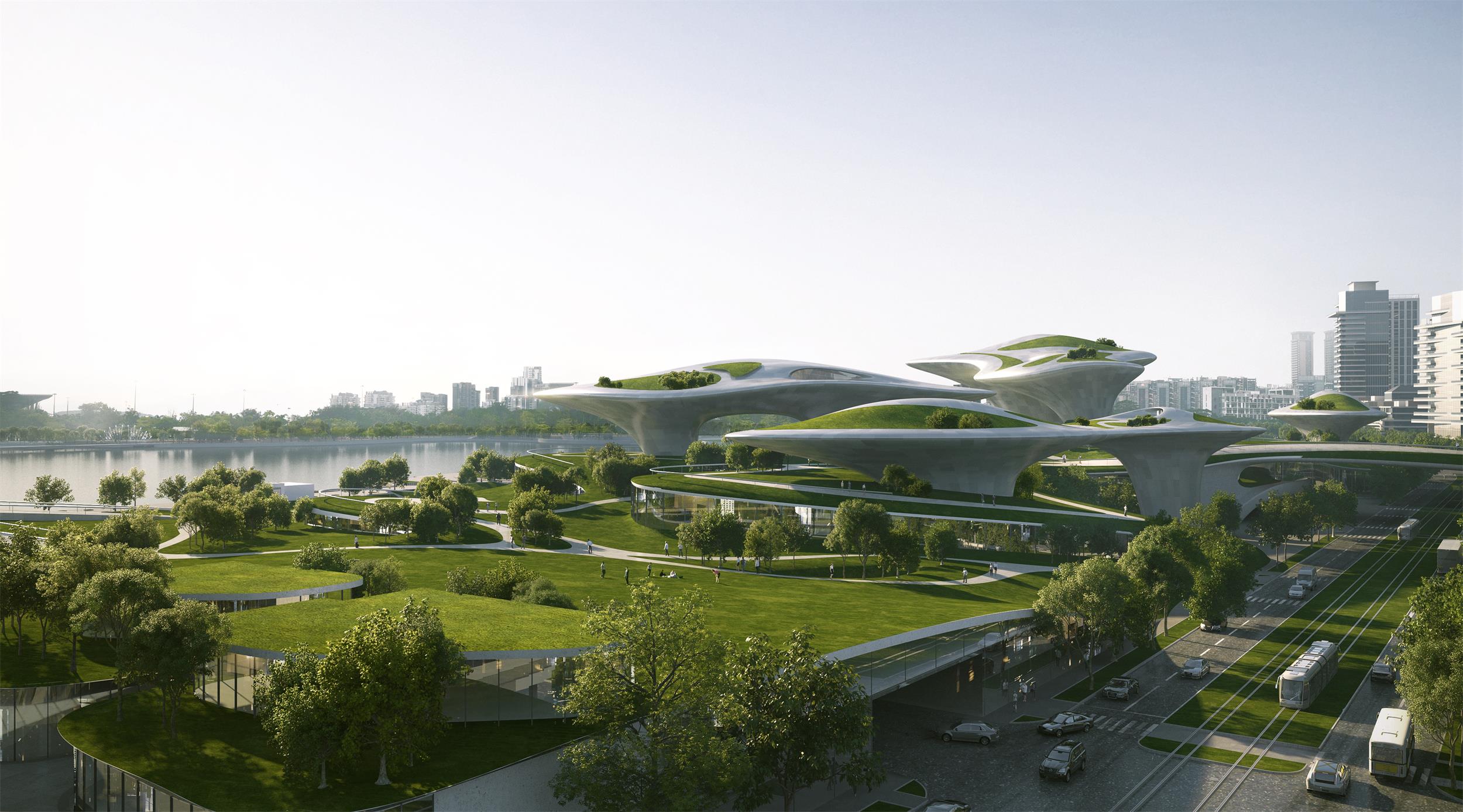
The level of complexity in the design and decorations of a building affects the workload of a 3D visualization company. While the style of architecture doesn’t directly determine the number of details, some tendencies are evident. In general, Modernist architecture is easier to model, while High-Tech and Classicism tend to be more labor-intensive, followed by Baroque. Neo-Gothic, due to its rich ornamentation, usually requires even more time and effort.
#5. The Views Account for 3D Visualization Cost
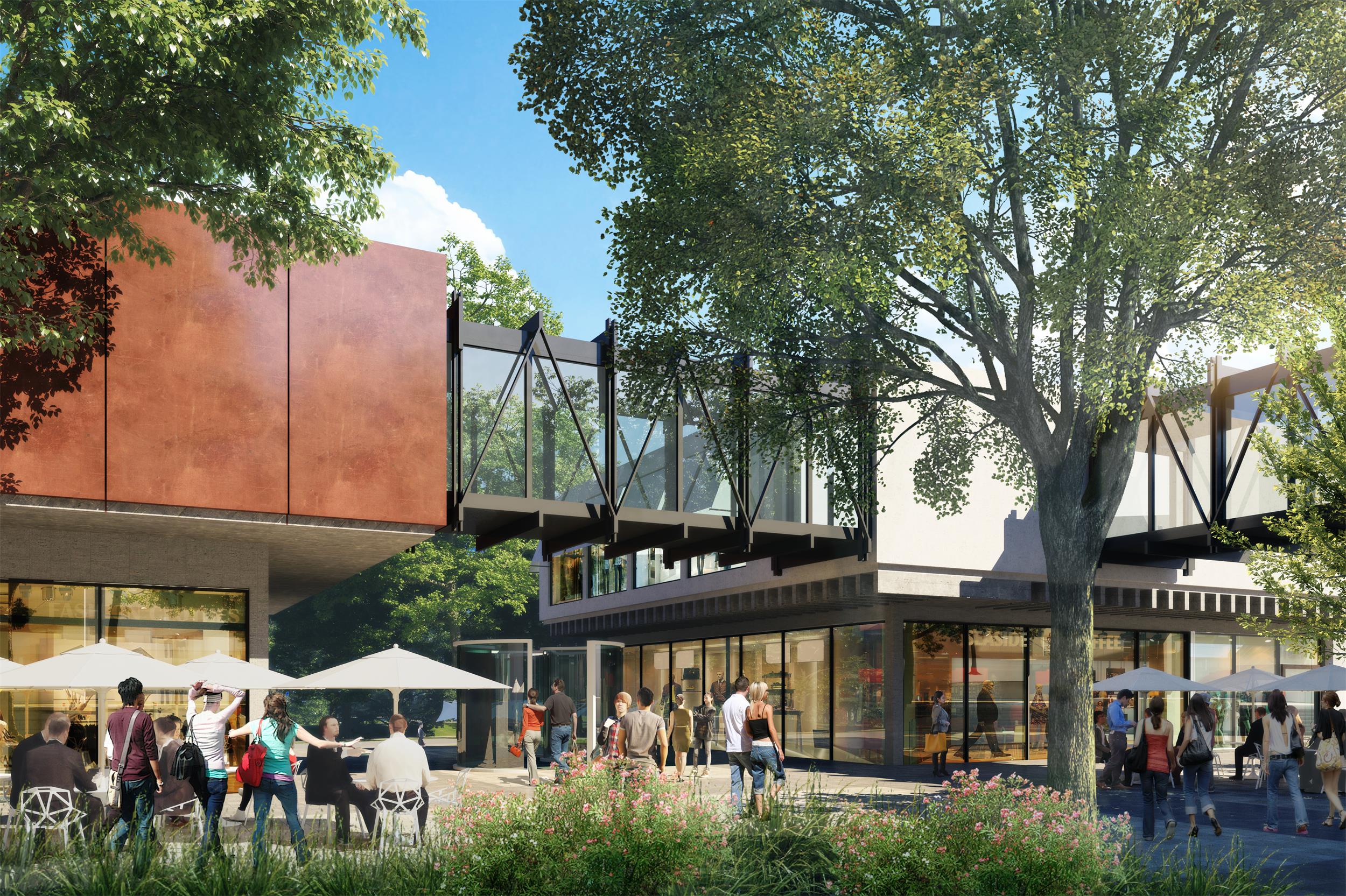
The optimal viewing angle for showcasing the splendor of an architectural design varies depending on the building. Some structures require multiple perspectives to fully exhibit their magnificence.
A front or angled view is ideal for highlighting balconies or porches. However, the inclusion of surrounding elements for an angled view leads to a higher cost for exterior 3D rendering. Similarly, the general view adds to the rendering cost, followed by the bird’s-eye view, which covers the most extensive area. While the general view is the most commonly used in exterior 3D rendering, using several bird’s-eye perspectives or a single bird’s-eye view animation can more effectively convey the design’s advantages from multiple angles, creating a more impressive experience by contrasting with our everyday visual perception.
Windows in a building can emit a mild glow, reflect the surrounding area, or illuminate the ground. They can also be opaque or transparent, providing a view of the interior. This latter option enhances the value of a project, as it transforms it from just a house to a livable home. However, incorporating interior elements into the 3D modeling process increases the cost of visualization.
#6. Post-Production Adds Value to Exterior 3D Renderings

The post-production stage aims to enhance the realism and naturalness of a render. However, the level of detail involved can impact the cost of architectural rendering. Including elements like people, pets, and cars can increase the cost, but it also adds a significant effect, bringing the scene to life and making it more appealing to the client. Additionally, the weather conditions can create a specific mood or atmosphere for the visualization, ranging from playful to dramatic or peaceful. For instance, the image above exudes a sense of calm and serenity due to the cool weather and the presence of people interacting with each other.
In summary, the cost of exterior 3D rendering is influenced by various factors, including the project’s size and style, the way the neighborhood is depicted, the number and types of views, and the level of post-processing. While the building’s geometry is predetermined, you have control over the other aspects, allowing you to tailor the rendering to fit your specific goals and budget.